

So, you’re wondering if someone can just decide to drop domestic violence charges, right? It’s a really common question, especially when emotions are running high and people want to move past a difficult situation. The short answer is, it’s not as simple as just saying ‘never mind.’ When the police get involved in a domestic violence situation, the ball really starts rolling, and it’s not entirely in the hands of the person who made the initial report. Let’s break down what actually happens and what role everyone plays.
Understanding The Role Of The Victim In Domestic Violence Cases

Why Victims May Wish to Drop Charges
It might seem straightforward: if the person who called the police changes their mind, the case should just disappear, right? Well, it’s not quite that simple. Many people who have reported domestic violence later wish to have the charges dropped for a variety of reasons. Sometimes, the incident was fueled by alcohol or drugs, and the person feels it doesn’t truly represent their relationship. Other times, there’s a real concern about the financial and social fallout for everyone involved if the legal process moves forward strictly. People might also feel that the police didn’t get the full story, or that the information gathered was inaccurate. And honestly, sometimes folks just want to handle things privately, away from the courts.
- Reconciliation with the partner.
- Concerns about the impact on children or other family members.
- Belief that the incident was an isolated event, not indicative of ongoing abuse.
- Fear of retaliation or further escalation.
The legal system has its own procedures, and a victim’s initial statement to the police is just the beginning of a much longer process. It’s easy to feel like you’re in control when you make the call, but once the authorities are involved, the ball starts rolling in a way that’s hard to stop.
The Victim’s Influence on Prosecution Decisions
Even though victims can’t directly tell the prosecutor to drop the charges, their input is still really important. Think of it like this: the prosecutor is building a case, and the victim is a key witness. If the victim is no longer willing to cooperate or provides information that weakens the case, it makes the prosecutor’s job much harder. They have to decide if they can still win in court without that cooperation. This is why victims can significantly influence the outcome, even if they don’t hold the final decision-making power.
Communicating with Prosecutors Effectively
So, if you’re a victim and you want to express your wishes about the case, how do you do it? You can’t just call the prosecutor’s office and expect them to listen. Usually, the best way to make your voice heard is by submitting a formal statement, often called an affidavit. This is a written document, sworn under oath, where you can explain your situation, your feelings, and what you want to happen. It’s a chance to lay out your perspective clearly. It’s also a good idea to talk to victim services or a lawyer who can help you understand the process and make sure your statement is presented correctly to the prosecutor. They need to understand the full picture, not just the initial police report.
The Prosecutor’s Authority In Domestic Violence Allegations
Why Victims Cannot Directly Drop Charges
It’s a common misconception that if a victim of domestic violence decides they don’t want to press charges, the case is automatically over. That’s just not how it works. Once the police are involved and an arrest is made, the decision to move forward with a case usually falls to the prosecutor’s office, not the person who reported the incident. Think of it this way: when a crime is committed, it’s not just seen as a wrong against an individual, but also as a violation against the community or the state. The prosecutor acts on behalf of the state to pursue justice.
Domestic Violence As A Crime Against The State
Domestic violence isn’t just a private matter between two people. The legal system views it as a serious offense against public order and safety. This is why, even if the victim wants to drop the charges, the prosecutor can decide to continue the case. They have a responsibility to uphold the law and protect citizens. This approach is partly because, in the past, victims might have been pressured or felt unsafe to continue with a case, leading to charges being dropped when they shouldn’t have been. The system now tries to prevent that by giving the prosecutor the final say.
The Prosecutor’s Decision-Making Process
So, what goes into the prosecutor’s decision? It’s not a simple yes or no. They look at a lot of things. They review the police reports, any evidence collected, and statements from everyone involved. They also consider whether there’s enough solid proof to likely win the case in court. It’s a careful process, and they have to weigh many factors before deciding whether to proceed or dismiss the charges. They’re not just looking at what the victim wants, but at the whole picture of the alleged crime and its impact.
Here’s a general look at how they might decide:
- Reviewing Evidence: This includes police reports, witness statements, photos of injuries, and any digital messages or recordings.
- Assessing Case Strength: Does the evidence point strongly enough towards guilt for a conviction?
- Considering Public Interest: Is it in the best interest of the community to prosecute this case?
The prosecutor’s job is to seek justice, and that means looking at the evidence and the law, not just the immediate wishes of one person involved. They have a duty to the public, which sometimes means continuing a case even if the victim is hesitant.
Factors Influencing The Prosecutor’s Decision
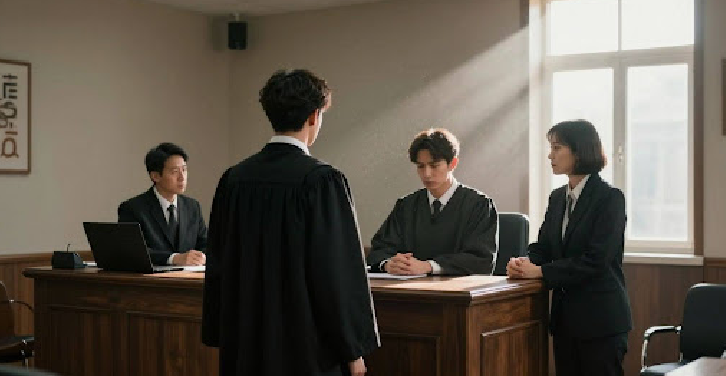
So, you’re wondering what goes into a prosecutor’s head when they’re deciding whether to move forward with a domestic violence case, especially if the person who reported it now wants to back out? It’s not just a simple yes or no. They’ve got a whole checklist of things they look at, and it’s pretty detailed.
Assessing The Strength Of The Case
Prosecutors are basically looking at how solid the evidence is. If they have a really strong case, they’re less likely to just drop it, even if the victim changes their mind. They’ll consider things like:
- Initial statements: What was said to the police when they first arrived? Were there 911 calls or bodycam footage?
- Physical evidence: Are there photos of injuries? Is there damage to property?
- Witnesses: Did anyone else see or hear what happened? Neighbors, friends, or even children can sometimes be witnesses.
- Medical records: If there were injuries, a doctor’s report can be pretty convincing.
It’s important to remember that even if the person who reported the incident doesn’t want to testify, the prosecutor might still try to move forward if they have other solid evidence. They’ve seen a lot, and they know how to build a case.
Evaluating Corroborating Evidence
This is a big one. Corroborating evidence is anything that backs up the initial claims. It’s like finding puzzle pieces that fit together. This could be:
- Text messages or emails between the people involved.
- Statements made to friends or family members after the incident.
- Police observations of the scene or the people involved (like visible injuries or signs of a struggle).
- Admissions made by the accused.
If there’s a lot of this kind of evidence, it makes the prosecutor’s job easier and makes them more inclined to continue with the charges. It shows the initial report wasn’t just a one-sided story.
Considering The Risk To Public Safety
Prosecutors also have to think about whether letting the case go could put others at risk. They’ll look at:
- History of violence: Is this a one-time thing, or is there a pattern of abusive behavior?
- Severity of the incident: Were weapons involved? Were there serious injuries?
- Presence of children: Were kids in the house during the incident? This often raises the stakes.
- Fear or intimidation: Does the victim seem scared of the accused? If the prosecutor suspects the victim is being pressured to drop the charges, they’re more likely to proceed, and might even add new charges for intimidation.
They have to weigh the victim’s wishes against their duty to protect the community. It’s a tough balance, and they’ll err on the side of caution if they think there’s a significant risk.
How Victims Can Impact Domestic Violence Cases
It’s a common misconception that once a victim calls the police, they can simply make the charges disappear. While you can’t directly drop domestic violence charges yourself, your input and actions can significantly influence how a case proceeds. Prosecutors have the final say, but they do consider the victim’s perspective, especially when it comes to the strength of the evidence and the overall situation.
The Importance Of Victim Cooperation
When a domestic violence case goes to court, the prosecutor’s office is the one handling it, not the victim. However, cooperation from the victim can make a big difference. If you’re not comfortable with the charges or want to see them resolved in a certain way, talking to the prosecutor is your avenue. They need to build a case, and your willingness to work with them, or your reluctance to proceed, is a major piece of that puzzle. Your voice matters, even if you aren’t the one making the final decision.
Providing Additional Evidence To Prosecutors
Sometimes, the initial police report might not capture the full picture. Maybe there were factors at play that weren’t immediately obvious, like substance use by one or both parties at the time of the incident, or perhaps the information given to the police was inaccurate. If you have new information or evidence that clarifies the situation or contradicts the initial report, providing this to the prosecutor can be very helpful. This could include:
- Details about substance impairment during the incident.
- Information showing inconsistencies in initial statements.
- Reasons why the initial report might have been misleading.
- Evidence of ongoing issues like custody disputes that might have influenced the report.
The Role Of Victim Impact Statements
While you can’t directly drop charges, you can express your wishes and concerns to the prosecutor. One way to do this is by providing a detailed statement, sometimes called an affidavit. This document allows you to explain your situation, your feelings, and what you hope will happen. It’s a way to ensure your perspective is fully heard by the legal team handling the case. This can be especially useful if you feel your initial statements to the police didn’t fully represent your situation or if you’re concerned about the consequences for your partner and your family.
Prosecutors weigh many factors when deciding how to proceed with a domestic violence case. While they are tasked with upholding the law and protecting the public, they also consider the practical realities of the situation and the wishes of the victim, especially when it comes to the evidence and the potential for reconciliation or further harm.
Legal Assistance For Domestic Violence Situations
Why Legal Counsel Is Crucial
Look, when domestic violence charges get tossed around, things can get really messy, fast. Even if the person who made the initial report wants to backpedal, the system doesn’t always work that way. Prosecutors often see these cases as crimes against the state, not just between two people. This is where having a lawyer who knows the ins and outs becomes super important. They can talk to the prosecutor on your behalf, which is way different than trying to do it yourself when you’re stressed out and maybe not thinking clearly. A lawyer can explain your side of things, present evidence you might have missed, and generally make a much stronger case for why charges shouldn’t proceed or should be lessened. Trying to handle this alone can lead to missteps that make things worse.
Navigating Complex Legal Dynamics
Domestic violence cases have a lot of moving parts. The police gather evidence, statements are taken, and then it all goes to the prosecutor. If the prosecutor thinks they have a solid case, they might push forward even if the alleged victim wants to drop it. A lawyer understands this process. They know what kind of evidence the prosecution needs and what might be considered weak. They can also help you avoid accidentally saying something that could be used against you or someone else. It’s not just about defending against the current charges; it’s about protecting your future from unintended consequences.
Here’s a quick look at how a lawyer can help:
- Communicating with Prosecutors: Lawyers speak the same language as prosecutors and can present arguments more effectively.
- Evidence Review: They can assess the strength of the prosecution’s evidence and identify potential weaknesses.
- Protecting Your Rights: A lawyer ensures you don’t inadvertently incriminate yourself or others.
- Exploring Options: They can look into alternatives like peace bonds or diversion programs.
Sometimes, the legal system can feel like a maze, especially when emotions are running high. Having someone who knows the paths and can guide you through it makes a world of difference. They can help you understand what’s happening at each step and what your options really are.
Negotiating Alternative Resolutions
Sometimes, the goal isn’t necessarily to get charges completely thrown out, but to find a resolution that avoids a serious criminal record. This is where a lawyer’s negotiation skills really shine. They can talk to the prosecutor about options like:
- Peace Bonds: These agreements can resolve a case without an admission of guilt, often involving conditions for a set period.
- Diversion Programs: For less serious offenses, especially first-time incidents, these programs allow individuals to complete certain tasks (like counseling or community service) in exchange for charges being withdrawn.
- Reduced Charges: In some situations, a lawyer might be able to negotiate a plea to a lesser offense, which carries lighter penalties.
These alternatives can be a way to move forward without the long-term impact of a conviction. It’s about finding the best possible outcome given the circumstances, and that often requires skilled legal representation.
Potential Outcomes When Charges Are Not Dropped
So, what happens if the victim wants the charges gone, but the prosecutor decides to move forward anyway? It’s not like the case just disappears. The legal system has its own momentum, and sometimes, even with the victim’s wishes, things keep going. This can lead to a few different scenarios, and none of them are usually what the victim was hoping for when they wanted the case dropped.
Understanding Reduced Charges
Sometimes, if the prosecutor sees that the victim isn’t fully on board or if the evidence isn’t as strong as they initially thought, they might be open to reducing the charges. This doesn’t mean the case is dismissed entirely, but it could mean the accused faces less serious accusations. Think of it like this: instead of a major felony, maybe it gets bumped down to a misdemeanor. It’s still a legal issue, but the potential penalties are less severe. This often comes about through negotiation, where the defense attorney works with the prosecutor to find a middle ground.
The Possibility Of A Peace Bond
Another outcome that sometimes comes up, especially if the evidence is shaky or the victim is hesitant to testify, is a peace bond. This isn’t a criminal conviction, which is a big plus. Instead, it’s a court order that requires the accused person to behave themselves for a set period, usually up to a year. This might involve things like staying away from the victim, not contacting them, or attending anger management classes. If the accused follows all the rules, the case can be closed without a criminal record. It’s a way to try and ensure safety without a full-blown trial.
Consequences Of A Criminal Record
If the case does go forward and the accused is found guilty, or if they accept a plea deal for a lesser charge, there can be lasting consequences. A criminal record, even for a reduced charge, can show up on background checks. This can make it tough to find a job, rent an apartment, or even get certain professional licenses. It’s a permanent mark that can affect many parts of a person’s life long after the court case is over. The goal of the legal system in these situations is often to balance accountability with public safety, even when the initial accuser wants to move on.
It’s important to remember that once charges are filed, the decision to proceed rests with the state, not the individual who reported the incident. While a victim’s wishes are considered, they don’t have the final say. The prosecutor’s job is to uphold the law and ensure justice, which can sometimes mean continuing a case against the victim’s preference if they believe it’s in the public interest.
So, Can the Victim Really Drop the Charges?
Look, it’s a tough situation all around. While you might really want to see charges dropped, especially if things were a misunderstanding or fueled by something temporary like alcohol, the truth is, you can’t just pick up the phone and make it all go away. Once the police and prosecutors are involved, they’re the ones making the big decisions. They see domestic violence as a crime against society, not just one person. But that doesn’t mean you have zero say. You can definitely talk to the prosecutor, share your side, and explain why you think the case shouldn’t move forward. Sometimes, providing new information or clarifying details can make a difference. It’s not a guarantee, though, and having a lawyer can really help make sure your voice is heard the right way, without accidentally getting anyone into more trouble. It’s complicated, and getting professional advice is usually the best first step.
Frequently Asked Questions
Can a victim directly tell the court to drop domestic violence charges?
No, a victim cannot directly drop domestic violence charges. Once the police are involved and charges are filed, the decision to continue or drop the case belongs to the prosecutor, not the victim. This is because domestic violence is seen as a crime against the state, not just the person involved. The prosecutor’s job is to decide if there’s enough evidence to pursue the case for the good of the public.
If the victim can’t drop the charges, what role do they play?
Even though victims can’t make the final decision, they are still very important in a domestic violence case. They can talk to the prosecutor and share their feelings, wishes, and any new information they have. This information can help the prosecutor decide whether to move forward with the charges or not. The victim’s cooperation and what they say can greatly influence the outcome.
Why might a victim want the charges dropped?
There are many reasons why a victim might want charges dropped. Sometimes, the incident might have been caused by things like drugs or alcohol, and not a true reflection of the relationship. Other times, victims worry about how the charges might affect their partner’s job or their family’s finances. They might also feel the police didn’t get all the facts right or prefer to handle things privately instead of through the courts.
What can a victim do to influence the prosecutor’s decision?
A victim can significantly influence the prosecutor’s decision by being cooperative and providing additional evidence. This could include proof that drugs or alcohol were involved, or that the initial statement given to the police was inaccurate. Sharing these details can help the prosecutor re-evaluate the strength of the case and consider dropping the charges.
What happens if the prosecutor decides not to drop the charges?
If the prosecutor believes there’s enough evidence and it’s in the public’s interest to proceed, the case will continue. The accused might face trial, and if found guilty, could face penalties like anger management classes, probation, jail time, or a criminal record. Sometimes, charges can be reduced, or a ‘peace bond’ might be arranged, which involves the accused agreeing to certain conditions for a period without a criminal conviction.
Is it a good idea for a victim to get a lawyer if they want charges dropped?
Yes, it’s highly recommended for a victim to speak with a lawyer. A lawyer can help the victim explain their situation clearly and effectively to the prosecutor. They can also make sure the victim doesn’t accidentally incriminate themselves or their partner while trying to get the charges dropped. If the charges aren’t dropped, a lawyer can also help negotiate for reduced charges or a better outcome.